6:59 PM How to Expand Your Chicken Coop Without Starting From Scratch | |
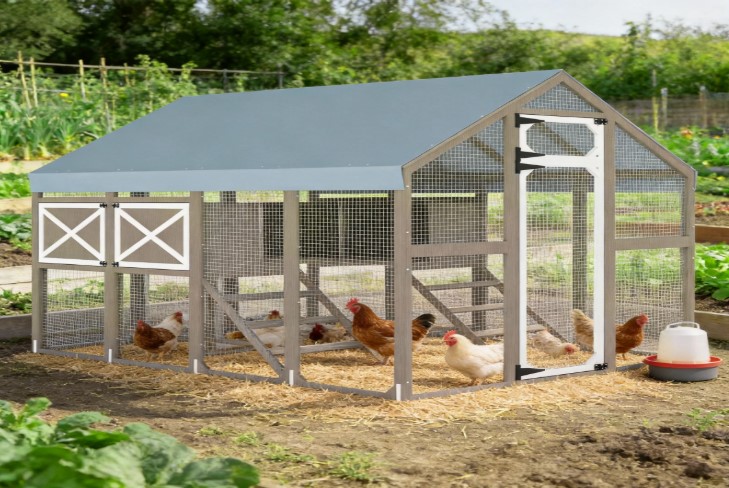
Expanding an existing setup is almost always cheaper and less disruptive than replacing it — but only if the expansion is approached in the right sequence and the original structure has enough to build on. Most keepers facing a flock that has outgrown its housing assume the only path forward is a full replacement. In the majority of cases, that assumption costs more money than necessary and creates more flock disruption than the situation warrants. The pattern is predictable enough that it warrants treating it as a default expectation rather than a surprise. A keeper starts with three or four birds in a modest setup, the hobby takes hold, and within one to two seasons the flock has grown to six, eight, or ten birds through a combination of new chick batches, rehomed birds from neighbors, and the simple arithmetic of "just a few more." The original coop — sized for the original flock — is now undersized. Behavioral signs appear: increased pecking aggression, nesting box competition, feather damage on subordinate birds, a detectable ammonia smell that wasn't there before. The housing is no longer adequate, and something has to change. At this point, most keepers face what appears to be a binary choice: add birds to an overcrowded setup and manage the consequences, or start over with a larger coop. The third option — expanding what exists — is frequently overlooked because it requires understanding what is actually possible with the current structure and what the most cost-effective path through that expansion looks like. The single most important step before any expansion decision is an honest assessment of the existing structure. Expansion adds to what's there — which means what's there has to be worth adding to. A structurally sound coop with good bones and functional design can be expanded cost-effectively. A coop with rotting wood, compromised hardware, or fundamental design problems will transfer those problems into any expansion. Before planning an expansion, answer four questions about the existing structure. Is the wood structurally sound — no rot at the base, no compromised joints, no panels that flex under light pressure? Are the existing latches and hardware in good working condition? Is the ventilation in the existing enclosed area adequate for the expanded flock density, or will expansion require ventilation upgrades simultaneously? And critically — does the design of the existing coop allow for expansion, or is it a self-contained unit with no attachment points for additional run sections? If the existing structure passes this assessment, expansion is the right path. If it fails on structural integrity, investing in an expansion is compounding a problem rather than solving one. Coop expansion addresses two distinct space problems: insufficient run area, which is almost always the first constraint that appears as flock size grows, and insufficient enclosed coop area, which becomes the binding constraint once run space has been addressed. These two problems have different solutions and different costs. Run space is the most common first bottleneck because it's where chickens spend the majority of their active hours and where the behavioral consequences of crowding — pecking, feather damage, competition at the feeder — are most visible. It's also typically the cheaper and simpler dimension to expand. The most direct approach to run expansion is attaching additional enclosed run sections to the existing structure. Many coop designs allow a secondary run enclosure to be connected directly to the existing run gate or door opening, effectively extending the available foraging area without modifying the coop itself. If the existing run has a door or gate on an exterior wall, a matching run extension positioned against that opening and secured with compatible hardware significantly increases available outdoor space at modest cost. For coops that don't have a natural attachment point for a run extension, a secondary standalone run — a separate enclosed pen connected to the main structure via a pop hole or tunnel — achieves the same result with slightly more complexity. The birds move freely between the two spaces, and the combined area meets the space requirements for the expanded flock. A well-designed chicken coop with run will already have the attachment hardware or panel dimensions that make run extension straightforward. This is one of the practical reasons that modular or expandable designs justify their slightly higher initial cost — the expansion that most keepers eventually need is built into the original purchase rather than engineered after the fact. Enclosed coop expansion is more structurally complex than run expansion and is necessary when the roosting area, nesting box count, or sheltered floor space no longer meets the 4-square-foot-per-bird standard for the current flock. The most practical approach depends on the existing coop design. For coops built on a standard rectangular footprint with solid panel walls, the most common expansion method is attaching a secondary enclosed section — either a purpose-built addition or a compatible secondary coop unit — connected by a pop hole cut into the shared wall between the two structures. Birds have access to both sections, effectively doubling the enclosed area without requiring either unit to be modified structurally beyond the shared opening. This approach works well when the secondary unit matches the construction standard of the original. Two compatible units joined at a shared wall, with a pass-through opening appropriately sized for the breed, is a functional and relatively low-cost solution to an undersized roosting area. For coops with a modular design — those built with connector hardware and standardized panel dimensions — the manufacturer's expansion components are the most reliable path. Purpose-built expansion sections attach cleanly, maintain weatherproofing at the joins, and preserve the predator resistance of the original structure without requiring custom fabrication. Flock disruption during a housing expansion is a genuine management challenge that deserves explicit planning rather than improvisation. Construction noise, altered access patterns, new smells, and changes to the familiar layout of the coop all register as stressors for the existing birds. The lowest-disruption expansion sequence keeps the existing flock in normal routine for as long as possible. Build or install the expansion section fully — including bedding, roost additions, and security hardware — before connecting it to the existing structure. Open the connection between old and new sections only when the expansion is complete and stable. Give the flock several days to explore and acclimate to the expanded space before introducing any new birds. If the expansion is also an occasion to integrate new birds into the flock — the most common reason for expansion in the first place — treat integration as a separate, subsequent step rather than combining it with the physical expansion. A flock managing both a new physical environment and new flock members simultaneously is under more social stress than one dealing with each change sequentially. The standard integration protocol applies: new birds housed in a see-through partition within the expanded space for seven to ten days, allowing the existing flock to acclimate to their presence without direct contact, before the partition is removed and full integration proceeds. Expanding the space first means the integration happens in an environment that already has adequate room for the combined flock, which significantly reduces aggression during the contact phase. Expanding a structurally compromised coop. Wood rot, particularly at the base of wall panels and floor joists, spreads under the additional moisture and weight that expansion introduces. An expansion built onto rotting foundations accelerates the deterioration of the entire structure. If base panels flex, if ground contact has caused softening, or if any structural member shows active rot, resolve those issues before expanding or accept that replacement is the more cost-effective path. Expanding the run without addressing coop ventilation. Adding birds to an existing coop footprint via run expansion increases the overnight density in the enclosed area. If the enclosed coop's ventilation was already marginal for the original flock, it will be inadequate for an expanded one. Run expansion and ventilation assessment need to happen together, not sequentially. Cutting a shared wall opening without treating the edges. A pop hole cut into an existing coop wall exposes raw wood that is vulnerable to moisture ingress and rot. Any cut edge that becomes part of a permanent opening should be sealed with exterior wood treatment before the opening is put into active use. Assuming compatible-looking coops will connect cleanly. Two coops from different manufacturers that appear to have similar panel dimensions will frequently have incompatible join hardware, different wall thicknesses, and gaps at connection points that compromise weatherproofing and predator security. Purpose-built expansion sections from the original manufacturer or custom fabrication with proper weatherstripping are more reliable than assumed compatibility between different products. Delaying expansion past the point where behavioral damage accumulates. Pecking hierarchies that form under crowded conditions don't automatically reset when space is increased. Feather damage, established bullying behaviors, and stress-suppressed laying cycles can persist for weeks after the expansion resolves the space deficit. Expanding before behavioral symptoms become entrenched is significantly more effective than expanding in response to them. Expanding an existing chicken coop is the right move when the structure is sound, the design allows for it, and the expansion is sequenced to minimize flock disruption. It is almost always cheaper than full replacement, faster to execute, and less stressful for the birds than relocating to an entirely new structure. The sequence that works is consistent: assess the existing structure honestly, address run space first as the immediate bottleneck, expand the enclosed area when overnight density requires it, complete the physical expansion before integrating new birds, and treat integration as a separate subsequent step. Follow that sequence and an expansion that could have been a replacement becomes a straightforward afternoon project. | |
|
| |
| Total comments: 0 | |